


🎉Free shipping on orders over $29.99✈️Buy More Save More Free
🪴We are committed to providing our customers with quality, affordable seeds. 🌱
Peony is a very popular ornamental plant with many unique properties:

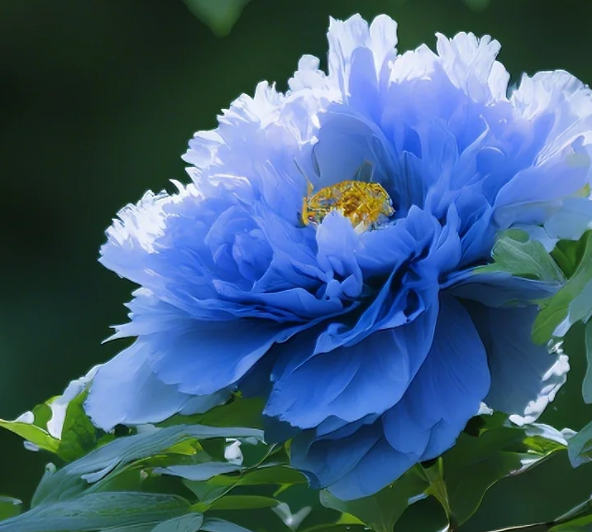
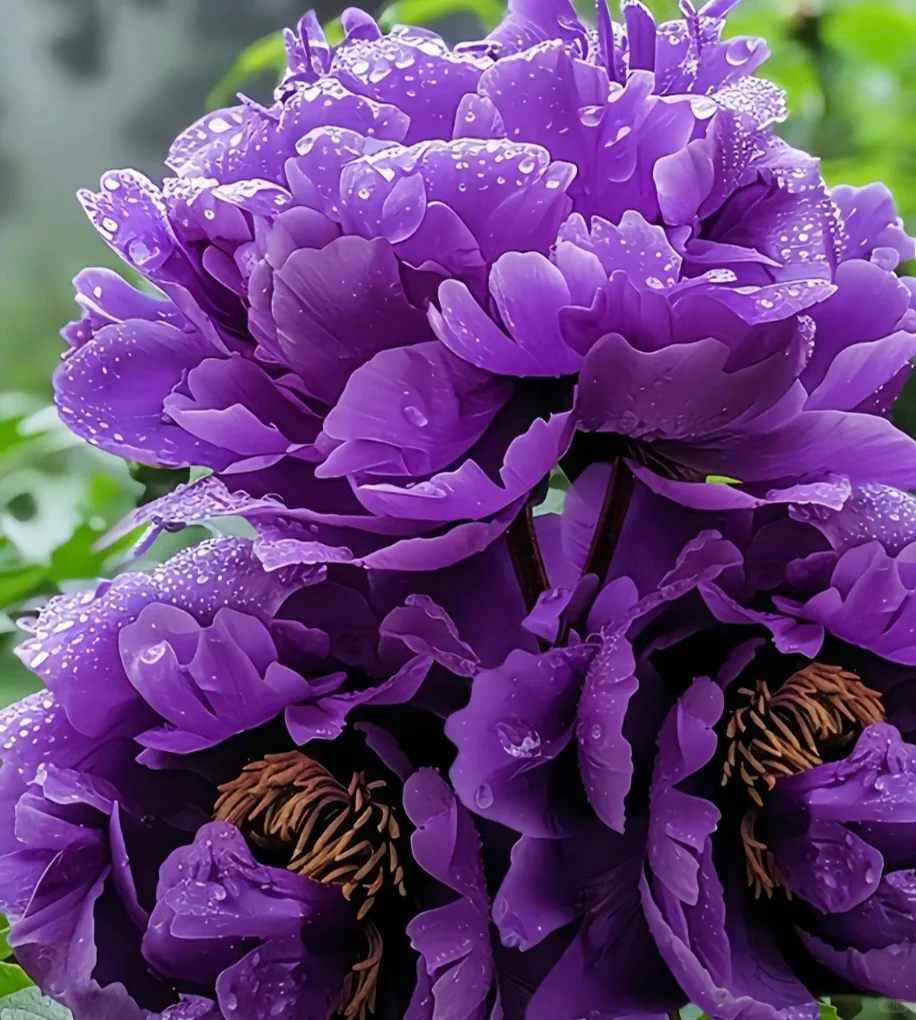
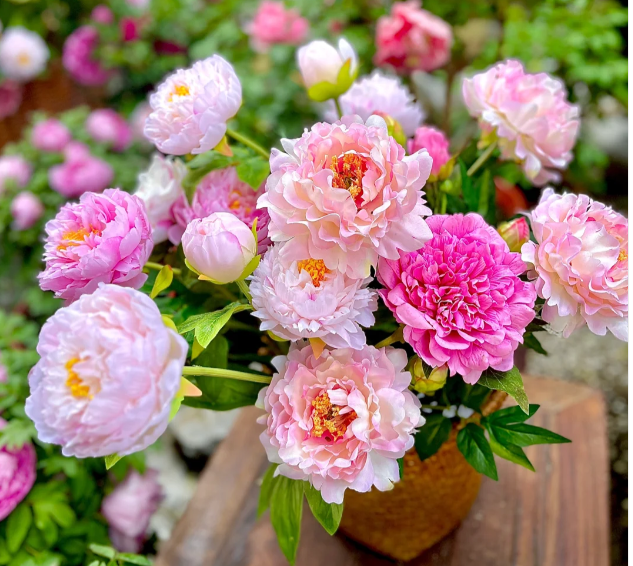
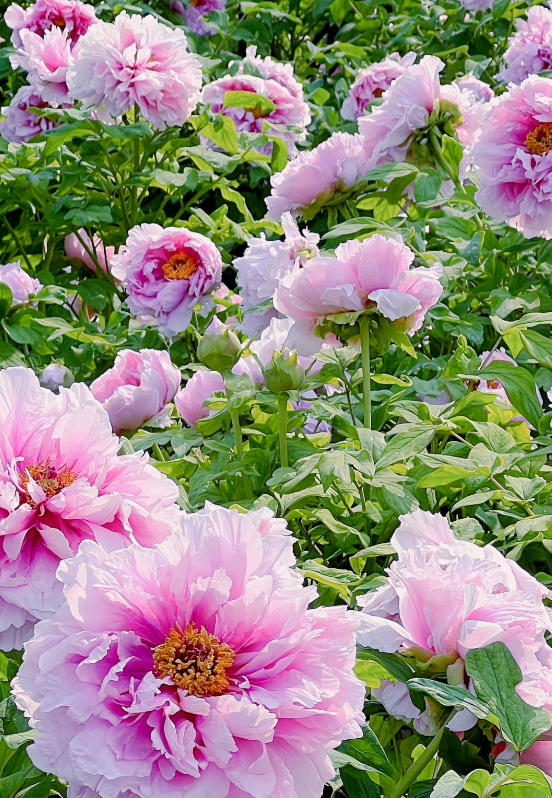
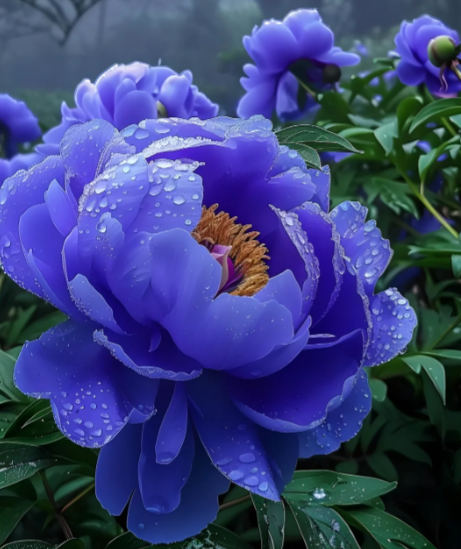
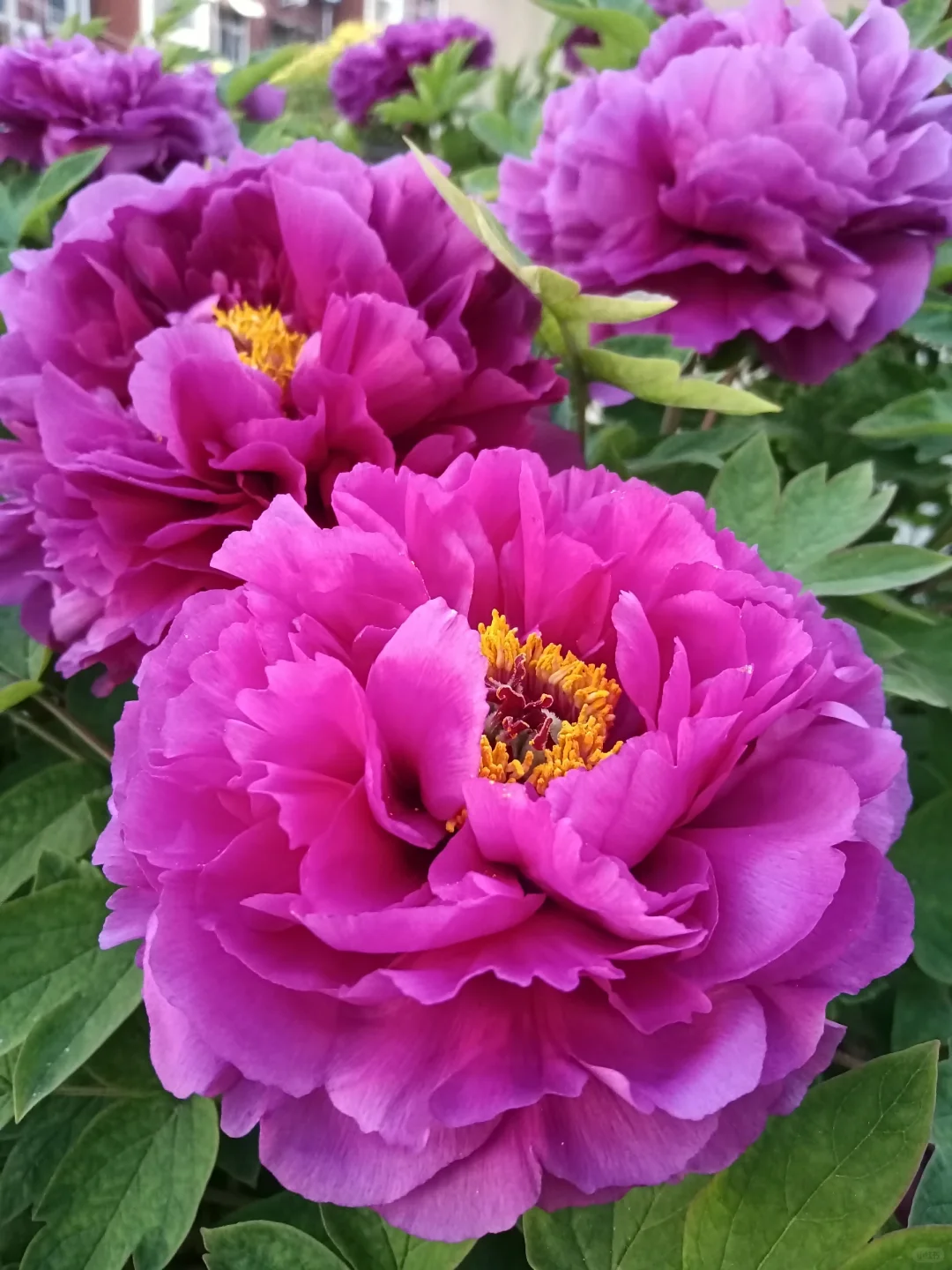
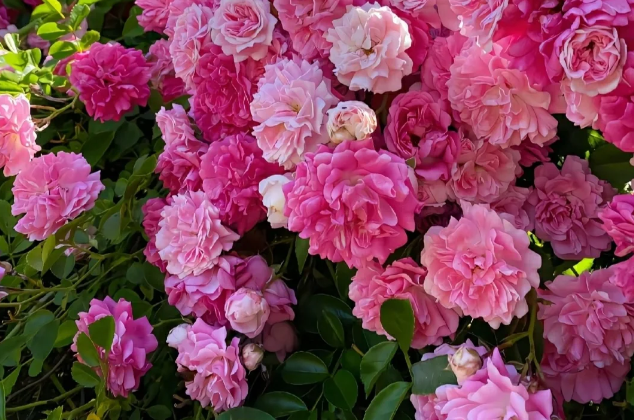
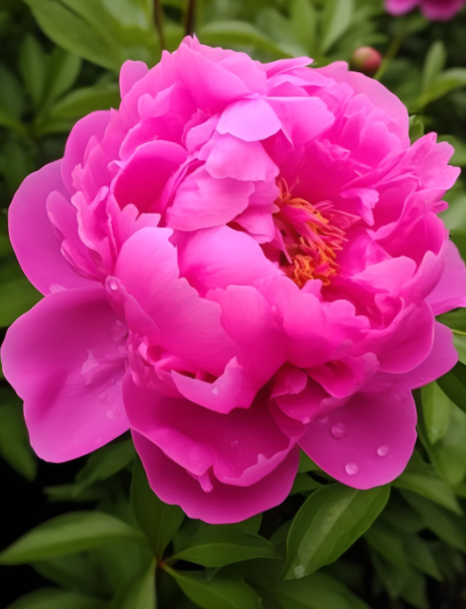
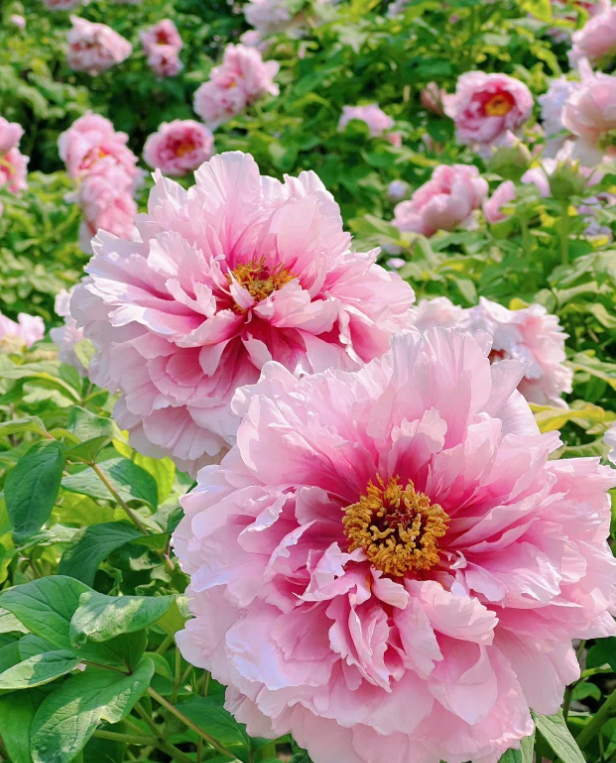
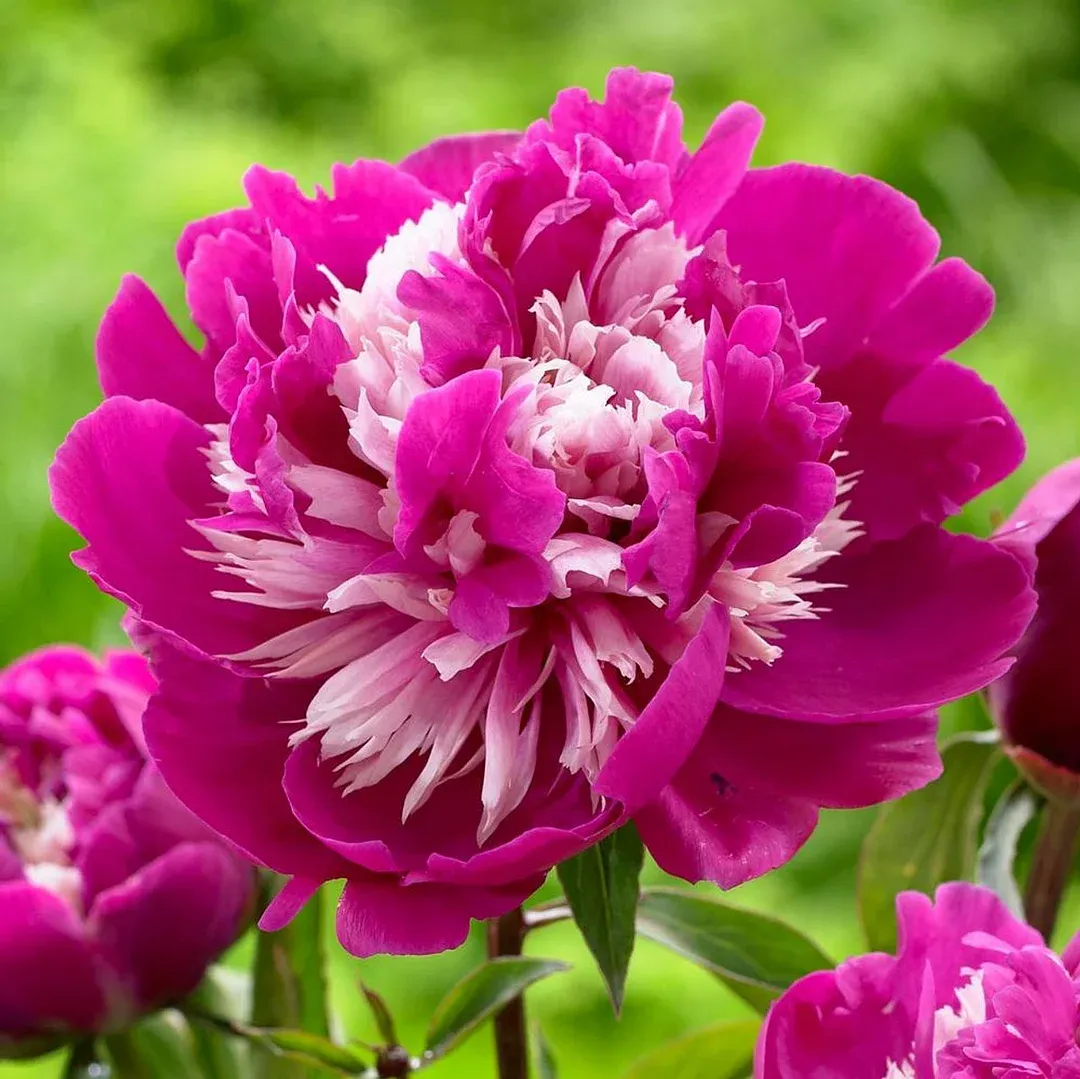
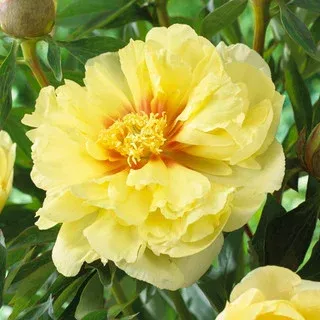
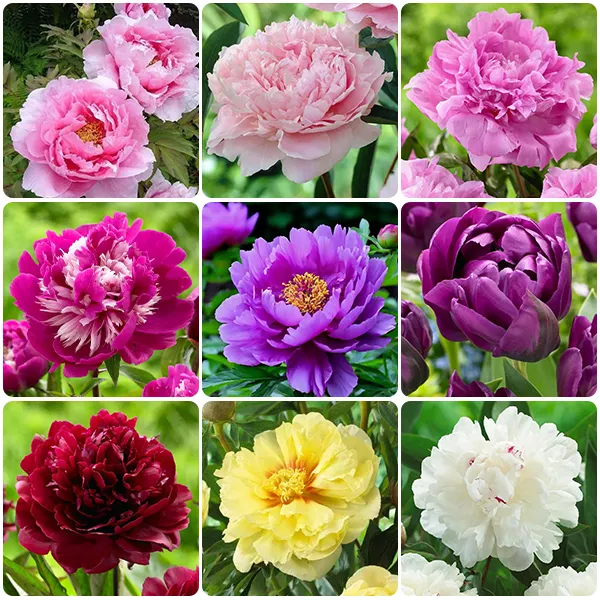
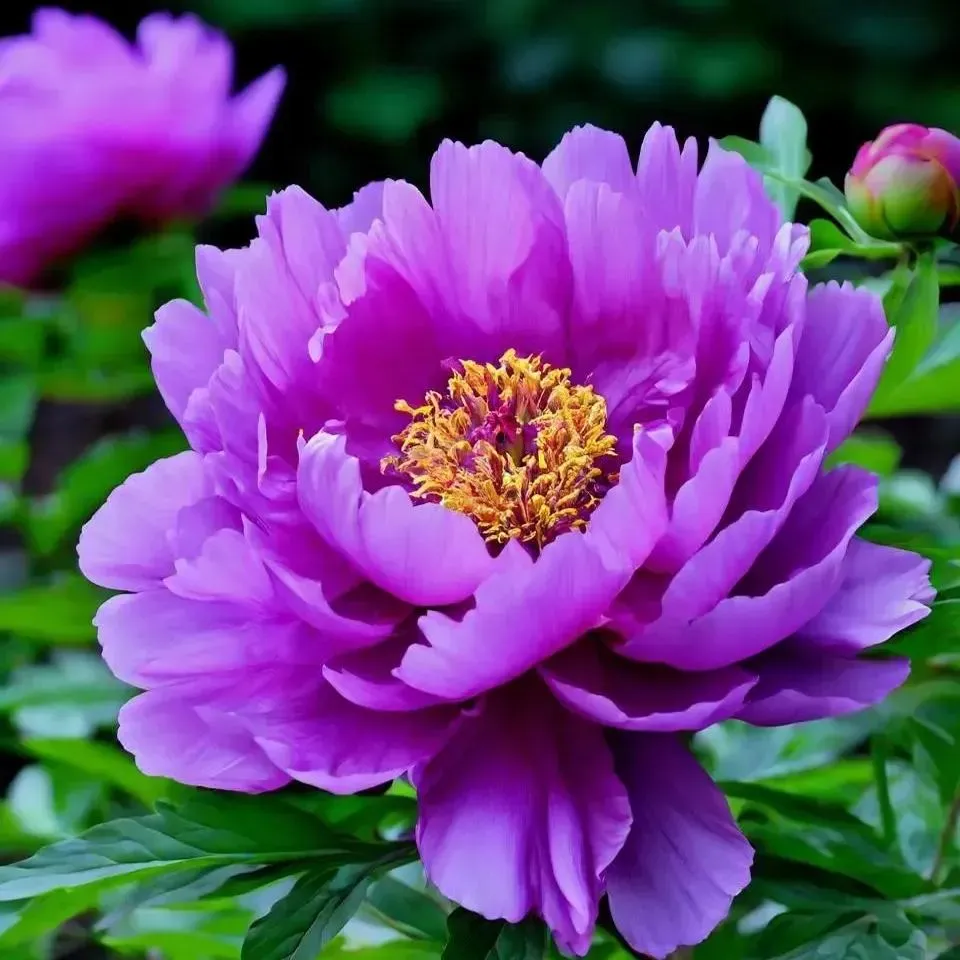
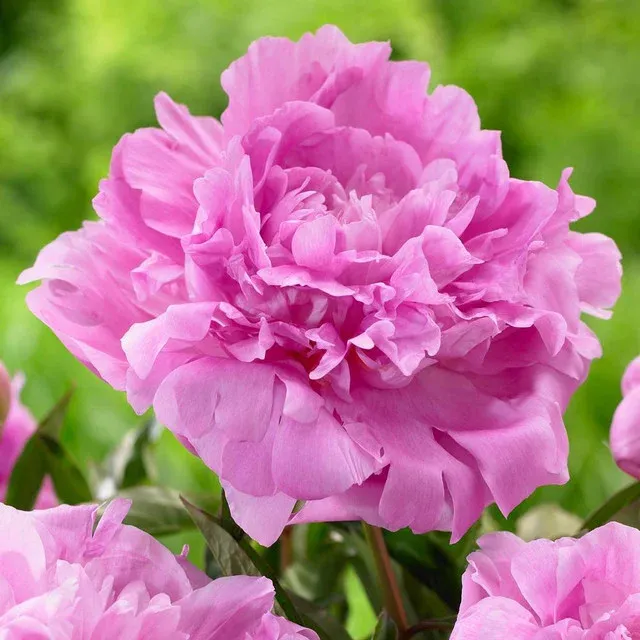
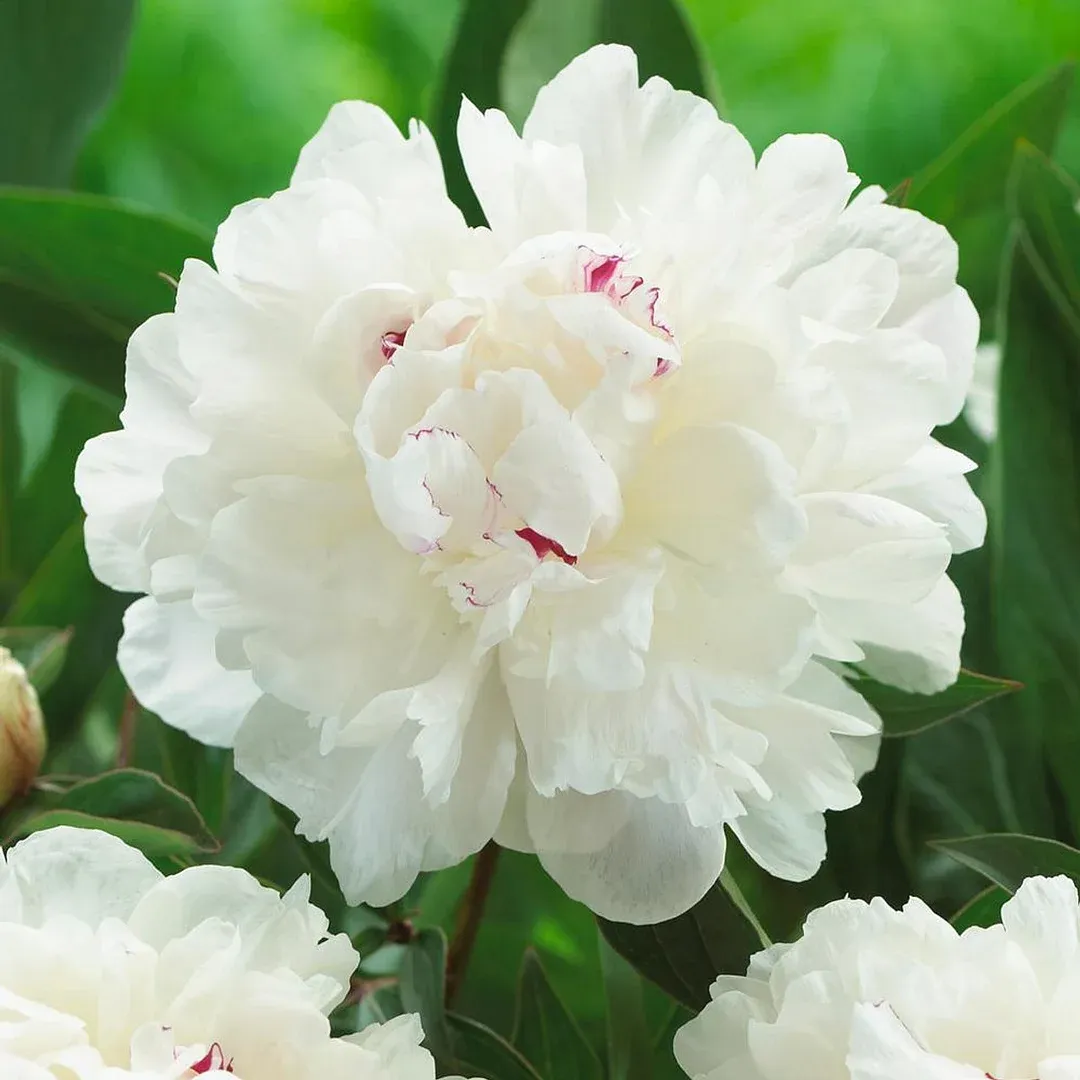
Flowers: Peony flowers are large and magnificent, with petals arranged in layers and available in a variety of colors including white, pink, red, purple and yellow. Each flower can reach 10 to 30 centimeters in diameter.
Leaves: Peony leaves are usually dark green, leaf edges are serrated and shapes are varied. Some leaves are divided into several segments, others are more complete.
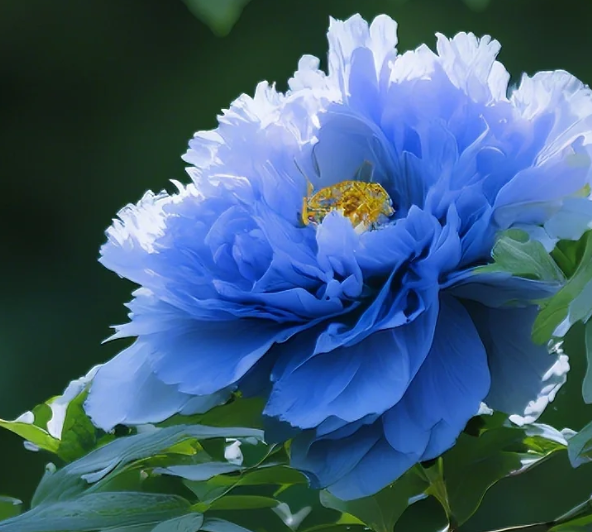
Growth form: The peony is a perennial herbaceous plant or shrub. Herbaceous peonies usually have a height of 50 to 90 centimeters, while woody peonies can grow up to 1.5 meters tall.
Flowering time: The flowering time of the peony is usually in spring and varies depending on the variety and region, typically from April to May.
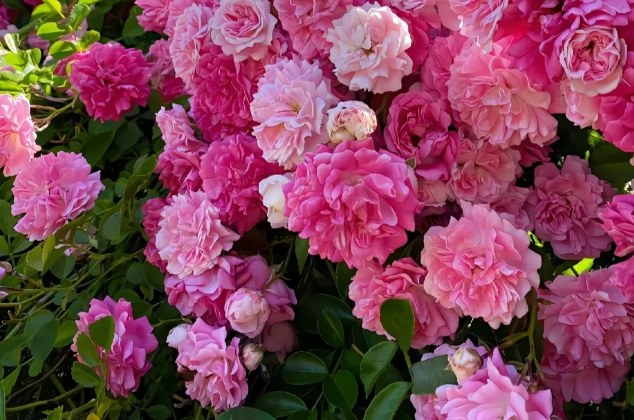
Fragrance: Many peonies have a strong fragrance, which makes them particularly popular in the garden.
Roots: The roots of the peony are usually fleshy and can store a large amount of nutrients to support their large and magnificent flowers.
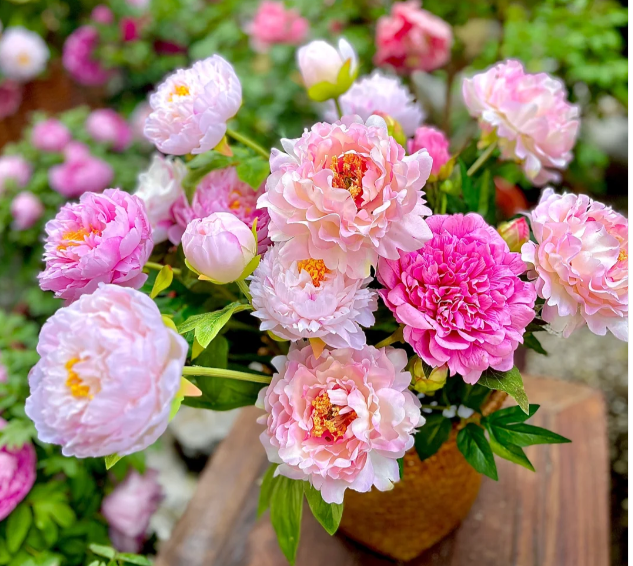
The peony not only holds an important position in Chinese culture and is called the "queen of flowers", but is also very popular among garden enthusiasts in many countries and regions.
When growing peonies, there are several important factors to consider to ensure that they grow healthily and produce beautiful flowers. Here are the key features of growing peonies:
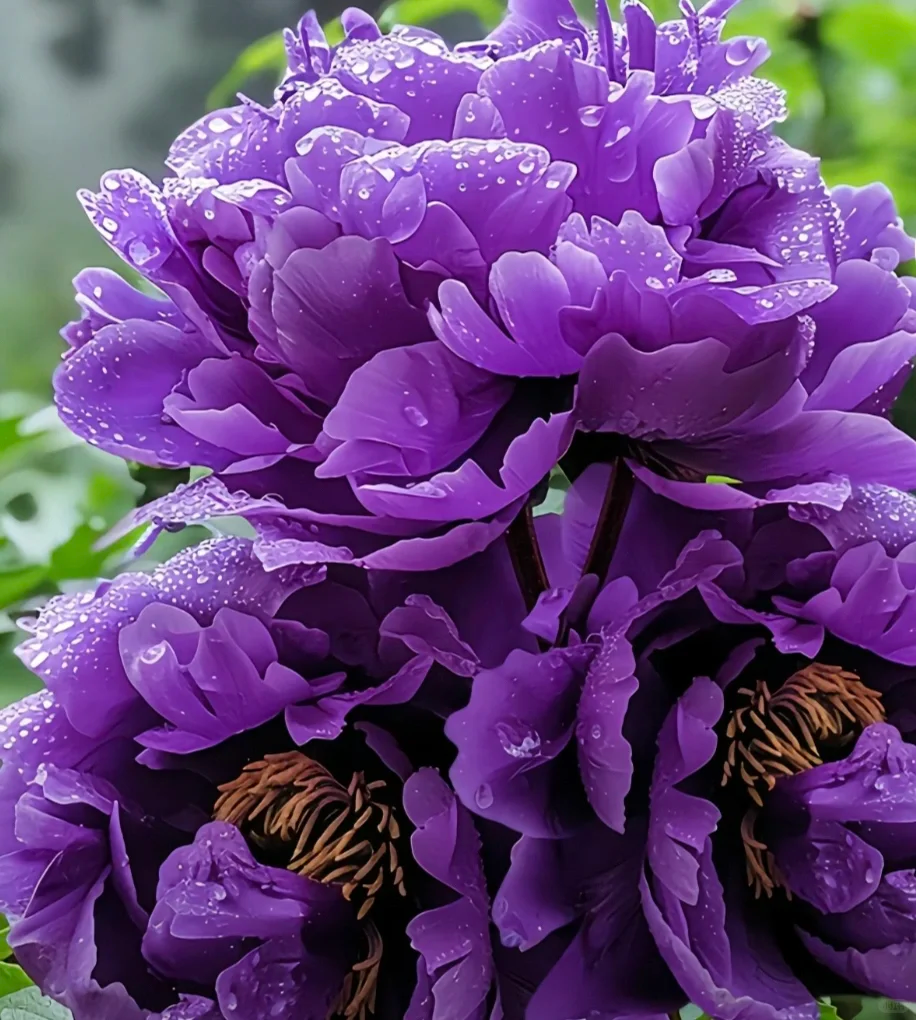
Light: Peonies like plenty of sunlight and need at least six hours of direct sunlight daily. A lack of light can result in few or no flowers.
Soil: Peonies prefer fertile, well-drained soil. The pH of the soil should ideally be between 6.5 and 7.5, which is neutral to slightly alkaline.
Watering: Peonies are not water-loving and prefer a dry environment. In spring and summer, the soil should be kept moist, but waterlogging should be avoided. In autumn and winter, watering should be reduced.
Fertilization: Before bud break in spring and after flowering, appropriate fertilization should be applied, either with rotted organic fertilizer or special flower fertilizer. When fertilizing, care should be taken to ensure that the fertilizer does not come into direct contact with the roots to avoid root burn.
Planting time: Autumn (September to October) is the best time to plant peonies so that the plants can adapt to the new environment during the winter dormancy period and grow vigorously in spring.
Planting depth: The buds of herbaceous peonies should be buried about 5 centimeters below the soil, while the root collar of woody peonies should be level with the ground.
Pest and disease control: Peonies are susceptible to pests such as aphids and diseases such as leaf spot. Regular inspection of the plants and timely measures such as spraying insecticides or fungicides are important.
Pruning: After the flowers have faded, the faded flowers should be cut off in time to avoid nutrient loss. In autumn, old and diseased branches can be appropriately pruned to promote the growth of new branches next year.
Cold protection measures: In cold regions, appropriate cold protection measures should be taken in winter, e.g. covering the roots with a layer of straw or leaves to protect the roots from frost damage.
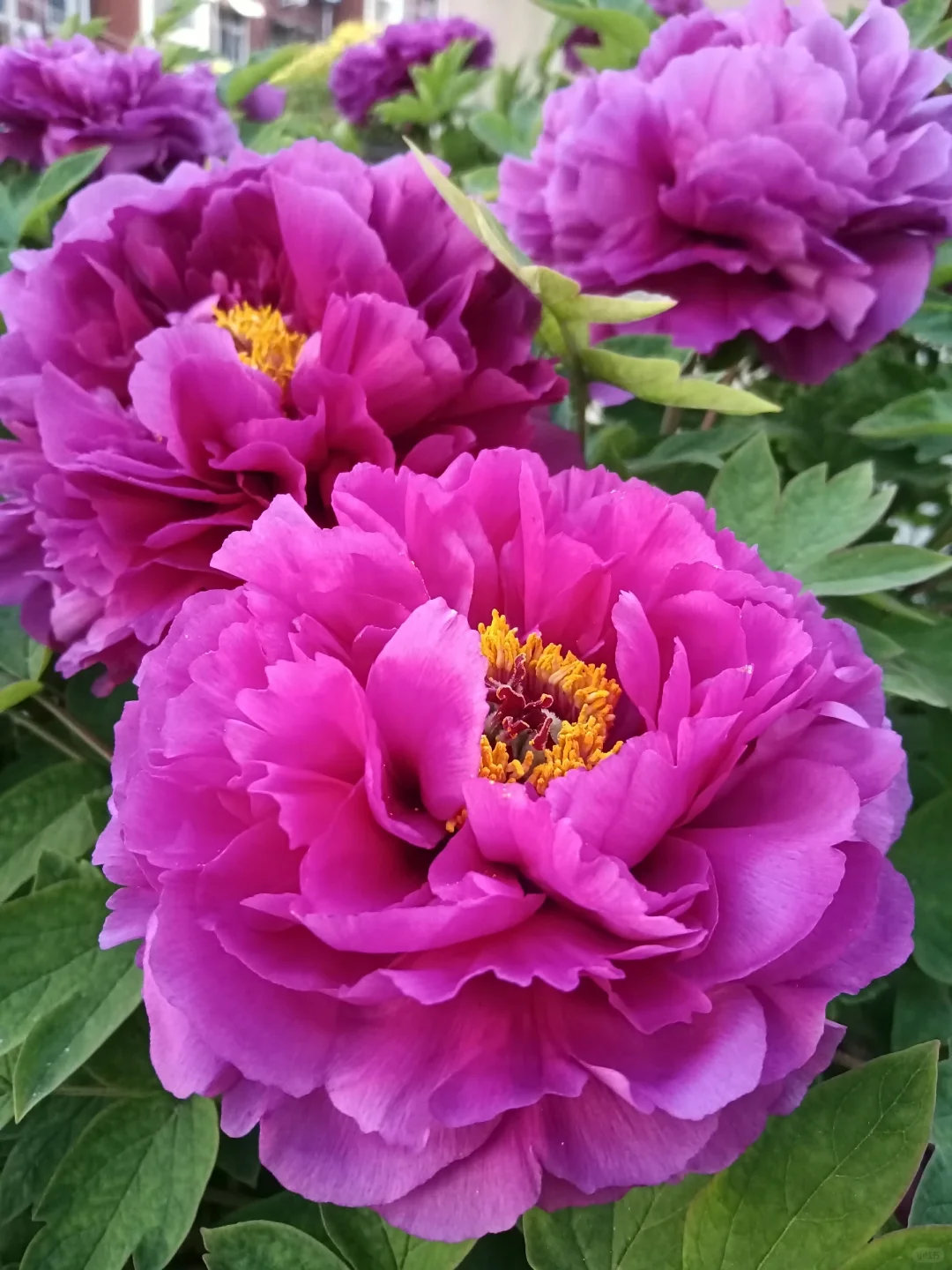
By applying the above cultivation management measures, peonies can grow healthily and produce magnificent flowers.